Steel roofs survive windstorms that rip shingles, shrug off hail that would crater asphalt, and carry snow loads without flexing. Yet the same roof can fail early if corrosion sneaks under a fastener head or at a cut edge. Rust rarely announces itself with drama. It starts as a film around a screw washer, a faint freckle near the gutter, a hairline at a lap seam. Left alone, those spots widen, the coating loses grip, and the panel edges thin until leaks follow the path of least resistance. Knowing what you are looking at, and what to do about it, is the difference between easy maintenance and a full tear-off.
I have climbed enough ladders and pried enough oxidized screws to respect two truths. First, metal roofing lasts, but not on autopilot. Second, corrosion is not monolithic. Galvanic bleed at a dissimilar-metal contact behaves differently than red rust on a scratched panel, and both differ again from white rust under damp underlayment. Good metal roofing services build their practices around those distinctions. Homeowners and facility managers should do the same, whether they handle light touch-ups themselves or hire metal roofing contractors for the heavier work.
What rust really is, and why metal roofs get it
Rust is iron oxide, which forms when iron or steel reacts with oxygen and moisture. That sounds simple, but the protective systems used in residential metal roofing make the story more practical. Galvanized steel carries a zinc layer that sacrifices itself to protect the steel. Galvalume combines zinc and aluminum, which slows corrosion further in most environments. Painted systems add a primer and a finish coat, often SMP or PVDF, as the final barrier against water and ultraviolet light.
Corrosion creeps in when one of these layers is breached. A sliding branch scratches paint to bare metal. An installer overdrives a fastener and splits the washer. A cut edge sits unsealed at an eave where salt mist reaches it every morning. Water and air can now reach unprotected steel. The zinc beneath will try to protect the cut, but that sacrificial behavior is not infinite. Over time, especially at edges and fasteners, rust takes hold and spreads under the paint film, lifting it like a blister.
Aluminum roofs do not rust, though they can pit or oxidize. Copper patinates rather than rusts. Steel is the most common substrate in metal roof installation for homes, which is why red rust is worth understanding in detail. If you are shopping bids from a metal roofing company, their specification on substrate, coating, and cut-edge treatment will tell you how they control this risk before it starts.
The weak points I see most often
Fasteners cause more headaches than any other component. On exposed-fastener systems, each screw is a potential leak and a corrosion point. UV breaks down neoprene washers over time, installers sometimes angle screws, and thermal movement can loosen them. The annular space around a slightly loose screw holds water. Rust blooms right there, red concentric halos around a silver head. If the substrate is purlins rather than solid decking, movement is greater and loosening happens faster.
Lap seams and penetrations run a close second. Horizontal laps on low-slope roofs rely on sealant and proper shingling for water management. If sealant was cheaped out or applied on a dusty day, adhesion fails early. At chimneys, vent pipes, and skylights, the mix of flashings, sealants, and fasteners is complex enough that something small often goes wrong. I have pulled flashings where a galvanized ring was touching copper vent stack, a classic galvanic mismatch that accelerates corrosion in the less noble metal.
Cut edges along rakes and field cuts around penetrations show another pattern. The zinc in galvanizing protects cut steel at a microscopic level, but constant wetting, especially with salt or industrial pollution in the mix, outpaces that protection. You will see paint undercutting at those edges, a faint lifting, then a sharp line of brown.
Drainage paths concentrate trouble. At the lower end of valleys, the flow is strongest, and debris collects. Gutter back-ups keep panel bottoms wet. Anywhere water sits instead of draining, corrosion races.
Climate matters more than brochures admit
Manufacturers assign expected service lives of 30 to 50 years for quality steel roofs with factory coatings. Those ranges hold only if the environment matches test conditions. In coastal zones, salt aerosol moves far inland, even a mile or more depending on wind and exposure. I have replaced fasteners on a five-year-old roof three blocks from the beach because their heads corroded to nubs. Inland, in farm country, ammonia from livestock operations can attack coatings. In towns with winter road salt, brine mist loads gutters and lower panels. Acid rain in older industrial centers does not help.
High UV locales age washers and some paint systems faster. Freeze-thaw cycles in northern climates, especially in shoulder seasons when meltwater refreezes overnight, work sealants loose if joint design is marginal. When planning metal roof installation, choose system details and coatings for your actual climate, not just what is popular at the big-box store two states away.
Prevention starts the day you spec the roof
The cheapest way to deal with corrosion is to prevent it with design and materials. There are considerations worth pushing on if you are meeting with a metal roofing company to discuss a new build or replacement.
Substrate and coating system deserve real attention. Galvalume generally outperforms galvanized in many environments, but not all. In strongly alkaline contact points, like fresh concrete or treated wood without a barrier, Galvalume can suffer. PVDF paints outperform SMP in color stability and film integrity, particularly in high UV regions and coastal areas. If budget allows, PVDF is a smart choice for longevity. Verify film thickness and primer type in the specification, not just the brand name.
Fastener selection is critical. Use stainless or high-grade coated fasteners compatible with the panel system. For exposed fastener panels, go up a quality tier on the screws and washers. Nylon-encapsulated washers hold up better than plain neoprene. On hidden fastener systems, clips and screws should be of compatible metals and coated appropriately. The cheapest fasteners are the most expensive long term.
Think about dissimilar metals. Copper touching galvanized steel will set up galvanic corrosion in the steel, especially when wetted. Aluminum and stainless have their own pairings to avoid. Use isolating gaskets, sealants, or coated transition flashings where metals meet. The same principle applies to treated lumber. Many modern preservatives are corrosive to bare steel. Use a barrier membrane where panels or flashings contact treated wood.
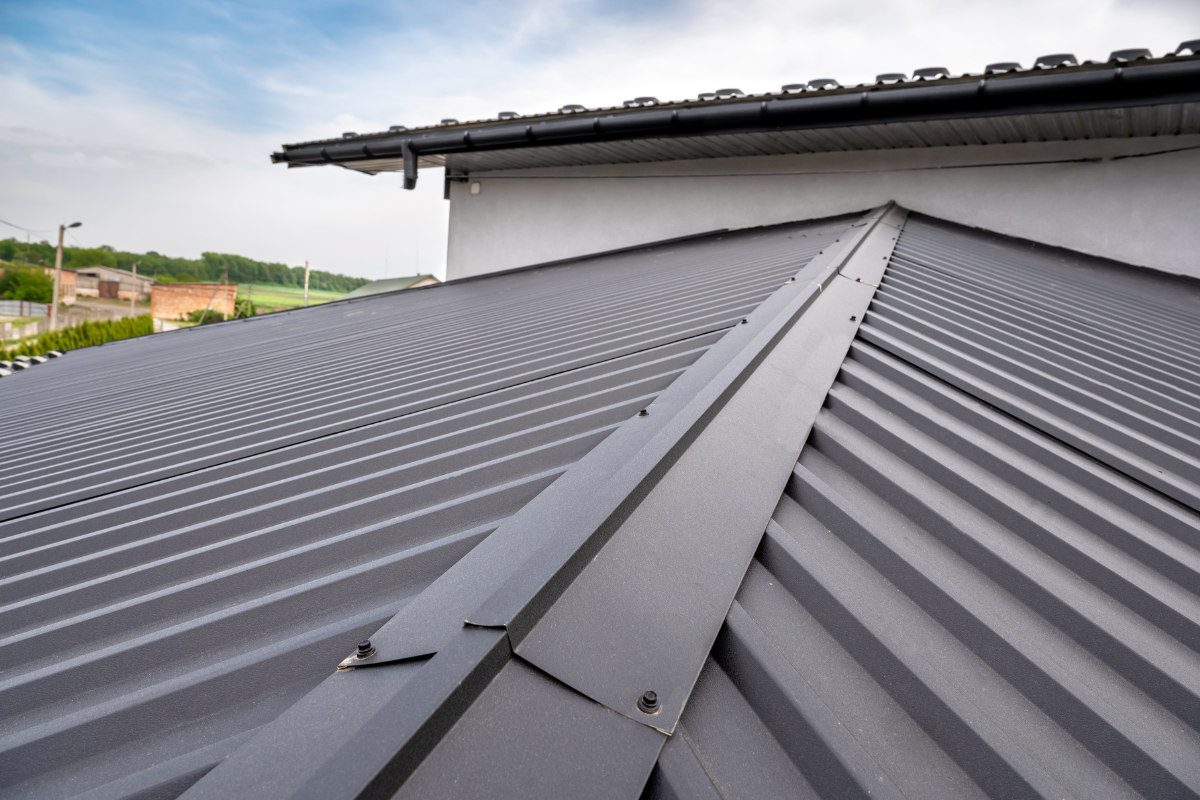
Edge detailing separates clean roofs from troublesome ones. Hemmed edges at rakes and eaves reduce exposed cut steel. End laps should follow manufacturer instructions on minimum overlaps, sealant beads, and fastener spacing, and they should be placed upslope where possible to keep bulk water out of the joint.
Ventilation and drainage preserve coatings. A roof that dries quickly corrodes slowly. Adequate intake and exhaust ventilation reduces condensation under panels. Keep valleys sized correctly and clear of tight angles that snag leaves. Make gutter sizing match expected runoff. Details like these are mundane, yet they have more to do with service life than any glossy brochure claim.
If you are comparing metal roofing contractors, ask them how they handle these points. The best installers will talk about clip spacing, hemmed edges, sealant selection by chemistry, and site-specific fasteners, not just color charts and panel profiles.
Inspection habits that catch problems early
The most effective maintenance practice is simple: look closely, consistently. I recommend two light inspections a year, once after pollen season and once after leaf drop, plus a quick check after any major wind or hail event. Do not walk a roof you are not comfortable on. A pair of binoculars from the ground handles most of what you need to see, and a drone flight by a professional can fill in the rest on larger buildings.
Look for changes in sheen or color around fasteners and along edges. A dull halo in a high-gloss paint often signals underfilm corrosion. Scan valleys and gutters for rust flakes or colored sediment. Check the underside of the eaves for drip marks or staining that suggest hidden leaks. Inside, look at attic decking around penetrations after storms.
Clean debris methodically. Wet leaf piles hold moisture against paint. Pine needles act like wicks. Dirt carries salts. A soft brush and water are enough for most roof cleaning. Avoid harsh pressure washing that can drive water into laps or scar paint. If you must use a cleaner, use one approved by the panel manufacturer, usually a mild detergent.
I keep a notebook of fastener rows that have loosened historically on a given building. Thermal movement concentrates at particular lines, often near mid-span clips or on the windward edge. Marking these helps you focus on likely trouble spots during quick checks.
Treatment options, from touch-up to component replacement
The right repair approach depends on what you find. Not every rust spot means a panel is done for. It is the depth and spread that matter. When I evaluate a spot, I probe lightly with a pick. If I can flake scale back to solid metal within a small area, I treat it in place. If the steel under the paint has thinned, especially near a fastener hole, replacement is safer.
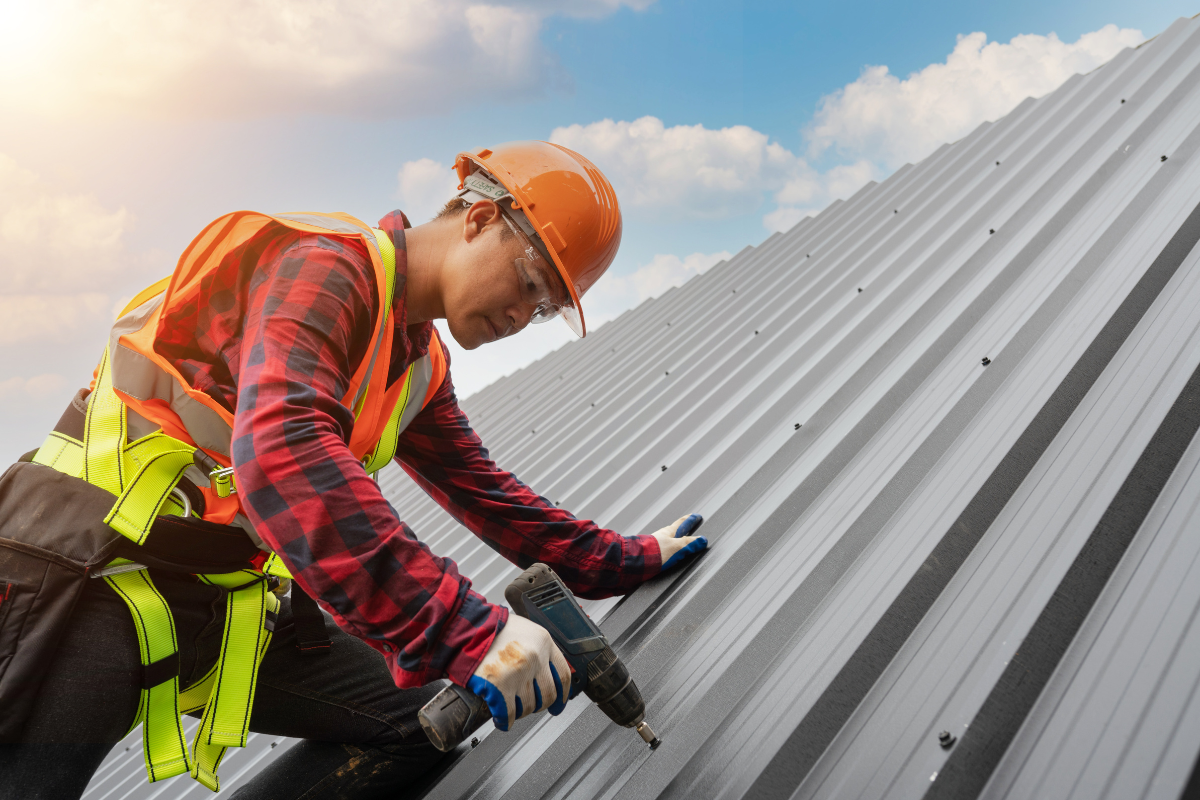
Surface rust around fasteners is the most common fix. Back the screw out, assess the hole for roundness and integrity, and upsize slightly if needed to get solid bite. Clean the area with a nylon brush. Use a rust converter or inhibitor compatible with the paint system, applied sparingly. Prime the bare metal with the manufacturer’s touch-up primer. Replace the fastener with a higher-grade screw and a fresh washer. Finish with color-matched touch-up paint, but go light. Thick paint puddles crack.
Underfilm corrosion where paint is lifting requires chasing the undercut back to sound adhesion. Feather the edge gently. Use converter only where rust remains in pits, not over sound paint. Prime and paint to seal. If the lifted area wraps around a cut edge or runs along a lap seam for any distance, do not chase it forever. Replace that panel or shorten the run with a properly detailed termination.
At penetrations, repairs often involve re-flashing. Pipe boots get brittle and split in UV. Swapping a failed EPDM boot for a higher-grade silicone boot extends life, especially near hot vent pipes. If a jack or flashing involves dissimilar metals, replace with a compatible piece or isolate with a barrier tape designed for metal roofs. I have fixed green-streaked chimney flashings by inserting stainless skirts and isolating them from galvanized counterflashing with butyl tapes.
Valleys merit special care. If rust has started near the valley bottom, check that debris or ice is not backing water up. Sometimes the best cure is to adjust diverters or widen a tight valley when replacing adjacent panels rather than endlessly patching the low spot.
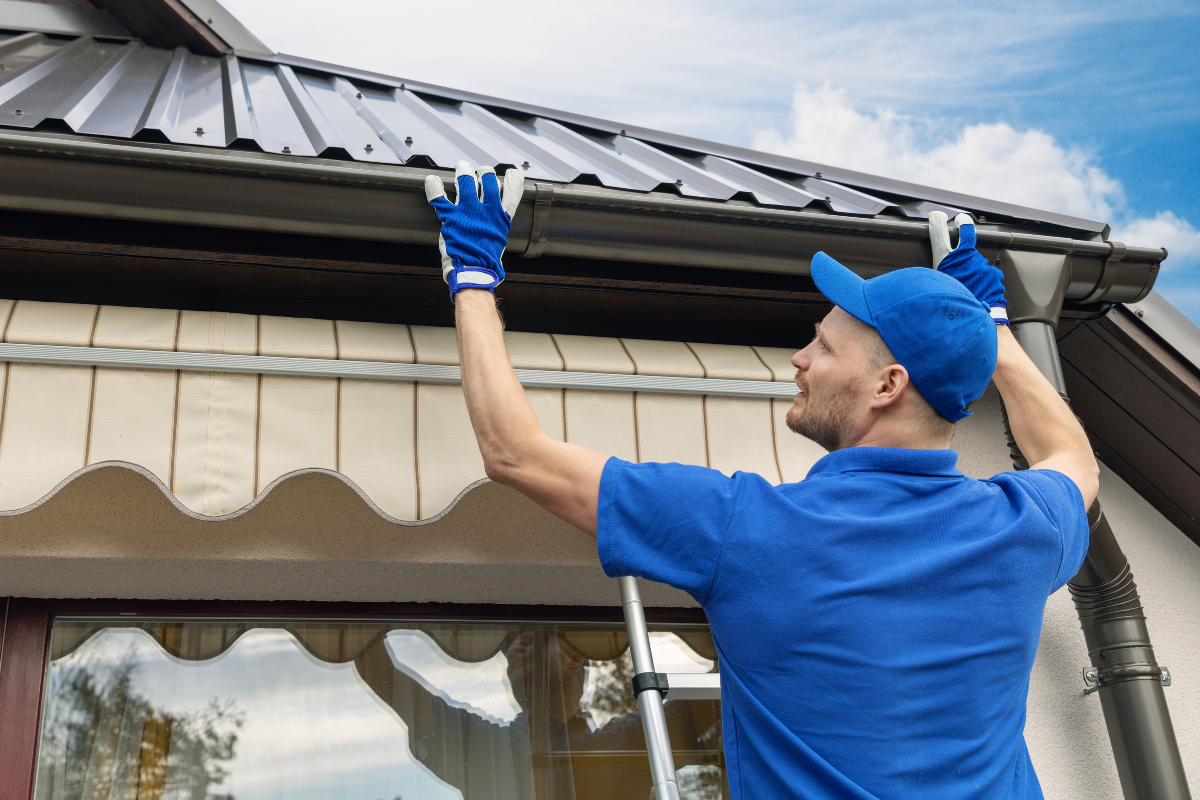
Gutters and eave edges, if corroded, can often be replaced without affecting the main field panels. Hem new drip edges, coat cut ends, and use sealants that match the chemistry of the system.
There are moments to call a metal roofing repair specialist. If you see pervasive red rust across multiple panels, structural corrosion at supports, or leaks that show up far from obvious surface defects, the issue may involve design or installation faults. A reputable metal roofing company will not simply smear more sealant. They will open up the area, correct the underlying detail, and put it back in a way that will not recur.
Sealants, tapes, and coatings: useful, but not magic
Sealants are tools, not cures. Butyl tape remains the workhorse for lap joints. It stays plastic, adheres to cleaned metal, and tolerates movement. Polyether sealants perform well as exposed beads because they remain flexible, resist UV, and are paintable. Silicone resists heat and UV but can be tricky to paint and may not adhere well over some factory coatings unless prepared correctly. Avoid asphaltic mastics on painted metal. They stain, crack, and complicate later repairs.
A full roof coating system can extend life, especially on older commercial roofs with low slopes where replacing panels would be costly. Elastomeric coatings can seal microcracks, cover fastener heads, and slow corrosion. Their success rests on preparation. Every rust spot must be stabilized, every loose fastener corrected, every seam addressed with reinforcing fabric. Skipping those steps yields a shiny failure. For steep-slope residential metal roofing, coatings make sense only in narrow cases, such as uniform chalking or widespread but light surface oxidation, and https://sergiolnts389.fotosdefrases.com/fixing-loose-panels-quick-metal-roofing-repair-tips even then, long-term appearance may differ from the original finish.
When replacement makes more sense than repair
There is a line where piecemeal fixes cost more, in money and time, than starting over with correct details. I use a few rules of thumb. If more than 20 to 30 percent of fasteners on an exposed-fastener roof are loose or corroded within ten years, the system is under-designed for movement or the fasteners were subpar. Re-screwing every hole with oversize fasteners can buy time, but the holes will not tighten twice. If rust has penetrated through the panel around fasteners or at cut edges in multiple locations, the protective layers have been compromised at scale. Panel replacement is safer.
On low slopes, if lap seams leak repeatedly, check the slope against the panel’s minimum recommendation. I have seen 2:12 slopes with panels rated for 3:12 installed to save money. No sealant can make up that difference in the long run. Replacing with a mechanically seamed standing seam suited to the slope solves the leak and reduces the number of exposed fasteners subject to corrosion.
If you are deciding between extended repair and replacement, get line-item estimates from metal roofing contractors that separate labor for surface prep, fastener replacement, and coatings from actual panel swaps. Compare that to a reroof with upgraded materials and details. Factor in the disruption and future maintenance. Often, a targeted partial replacement of the most stressed zones, combined with systematic maintenance elsewhere, is the best financial and technical compromise.
Working safely and cleanly
Rust repair work looks simple until you try to manage debris and safety on a pitched, slick surface. Light tools and staging make the difference. If you are doing small touch-ups yourself, choose cool, dry mornings. Avoid stepping on ribs or high seams in ways that deform panels. Use foam pads to distribute weight on low-slope areas. Keep metal filings from drilling out of gutters and valleys where they can rust and stain. A magnet-on-a-rope helps recover dropped screws, which also keeps them out of lawn mower tires.
Solvents used in cleaning can soften paint if left to dwell. Always test cleaners on a hidden area. Wear cut-resistant gloves. When backing out old screws, expect some to shear. Have a plan for extracting broken shanks, and do not leave holes unsealed if a storm is coming. Temporary patches with butyl and a cap fastener can buy a day.
What good installers do differently
After years on roofs, patterns stand out. Crews from a metal roofing company that cares about longevity do a handful of non-negotiables. They stage panels on padded bunks so edges do not nick. They deburr cuts before panels leave the ground and apply edge sealers on-site where specified. They use torque-limited drivers for exposed screws and stop at snug rather than crushing washers. They wipe down panels after install to remove swarf. They reject dented or scratched panels instead of painting over flaws that will become corrosion sites.
They also write maintenance into the handoff. The better metal roofing contractors provide a simple maintenance card, recommend a check schedule, and offer optional service plans. They take calls a year later when you have questions about a stain near a vent, and they send someone out before it becomes a problem. Those are the companies that can speak credibly about 30-year installation performance because they see their roofs again and again.
A realistic maintenance rhythm for homeowners and managers
If you want a metal roof to reach its promised life, treat maintenance like changing oil. Skipping a season does not kill it, but patterns of neglect do. A simple rhythm works for most residential metal roofing and small commercial roofs:
- Spring and fall visual checks, from the ground or a safe vantage, focusing on fastener rows, edges, valleys, and penetrations Annual gentle cleaning of debris in valleys and gutters, and a light wash where dirt accumulates under trees Every three to five years, a closer inspection by a qualified pro to tighten or replace fasteners, touch up small rust spots, and refresh sealants as needed
I have seen homes that follow this pattern go two decades with minimal intervention, even in tough climates. I have also seen five-year-old roofs with widespread corrosion because sealant failed, screws loosened, and nobody looked until water stained a ceiling. The difference is not exotic technology. It is attention and timely action.
Budgeting and realistic expectations
Metal costs have swung significantly in recent years. Material quality also spans a range. A budget-friendly exposed-fastener panel system can perform well if installed right and maintained, but it comes with inherently more fastener points to manage. A standing seam system costs more up front, uses hidden clips, and reduces screws on the weather surface. Over twenty years, the latter usually costs less to maintain.
For repair budgeting, set aside a small annual amount, even on new roofs. A few hundred dollars covers a pro visit to catch little issues. If you inherit an older roof with evident rust and are not ready for replacement, plan a staged approach: stabilize the worst areas, improve drainage at eaves and valleys, replace the most suspect fasteners, and schedule a more comprehensive intervention within a set window.
Insurance may cover storm damage but not corrosion. Take photos during inspections and keep receipts for maintenance. If a windstorm rips a ridge and a claim is filed, documentation that you have maintained the system helps.
A note on aesthetics and touch-up paint
Owners often worry that spot repairs will look patchy. Done properly, small touch-ups disappear at a distance. The trick is restraint. Use manufacturer-supplied paint pens or small bottles, not spray cans. Apply the thinnest film that covers bare metal. Feather edges with a fine brush. On older roofs where chalking has dulled the field, new touch-up paint may appear slightly glossier for a season. It will blend as it ages. Avoid broad roll-on touch-ups that create inconsistent sheen bands.
If appearance is paramount, especially on prominent residential façades, consider professional respraying or panel replacement rather than extensive hand touch-ups. This is where an honest conversation with a metal roofing company helps. They have seen what looks good two years later and what does not.
Bringing it together
Corrosion on metal roofs is manageable when approached with the same precision that makes these systems durable in the first place. Prevention lives in the specification and the install: compatible metals, quality fasteners, thoughtful details. Longevity grows out of simple inspections, prompt cleaning, and small, focused repairs. Treatment ranges from swapping a few screws and sealing a cut edge to replacing a problem panel or reworking a flawed penetration. There are times to coat and times to start over, and experienced metal roofing services will help you choose without selling you what you do not need.
If you own or manage a building with metal roofing, your best allies are a good ladder plan, a sharp eye, and a relationship with a contractor who values long-term performance. Rust is not a verdict. It is a signal. Hear it early, act with care, and your roof will repay that attention for decades.
Edwin's Roofing and Gutters PLLC
4702 W Ohio St, Chicago, IL 60644
(872) 214-5081
Website: https://edwinroofing.expert/
Edwin's Roofing and Gutters PLLC
Edwin's Roofing and Gutters PLLCEdwin Roofing and Gutters PLLC offers roofing, gutter, chimney, siding, and skylight services, including roof repair, replacement, inspections, gutter installation, chimney repair, siding installation, and more. With over 10 years of experience, the company provides exceptional workmanship and outstanding customer service.
https://www.edwinroofing.expert/(872) 214-5081
View on Google Maps
Business Hours
- Monday: 06:00–22:00
- Tuesday: 06:00–22:00
- Wednesday: 06:00–22:00
- Thursday: 06:00–22:00
- Friday: 06:00–22:00
- Saturday: 06:00–22:00
- Sunday: Closed